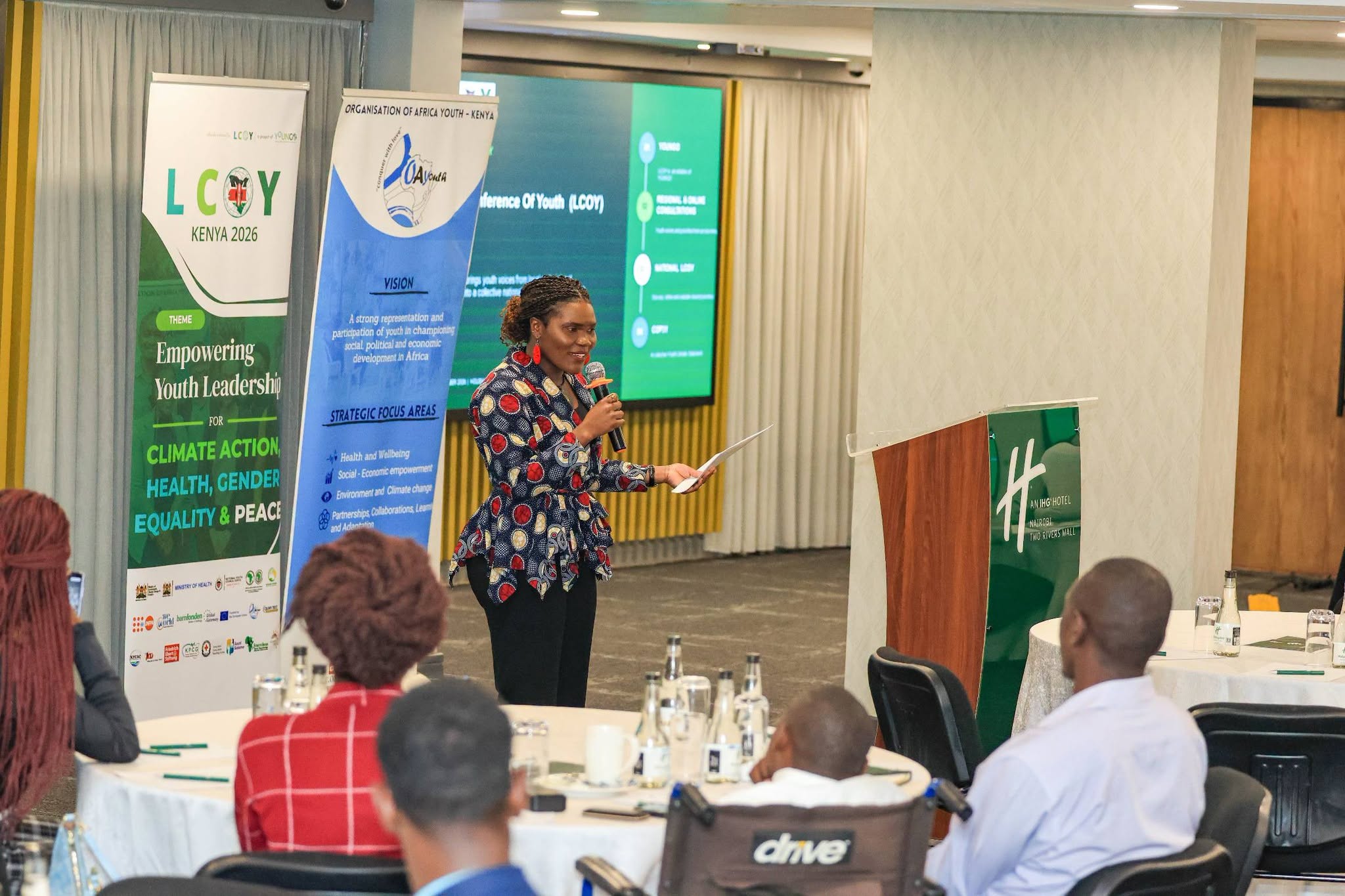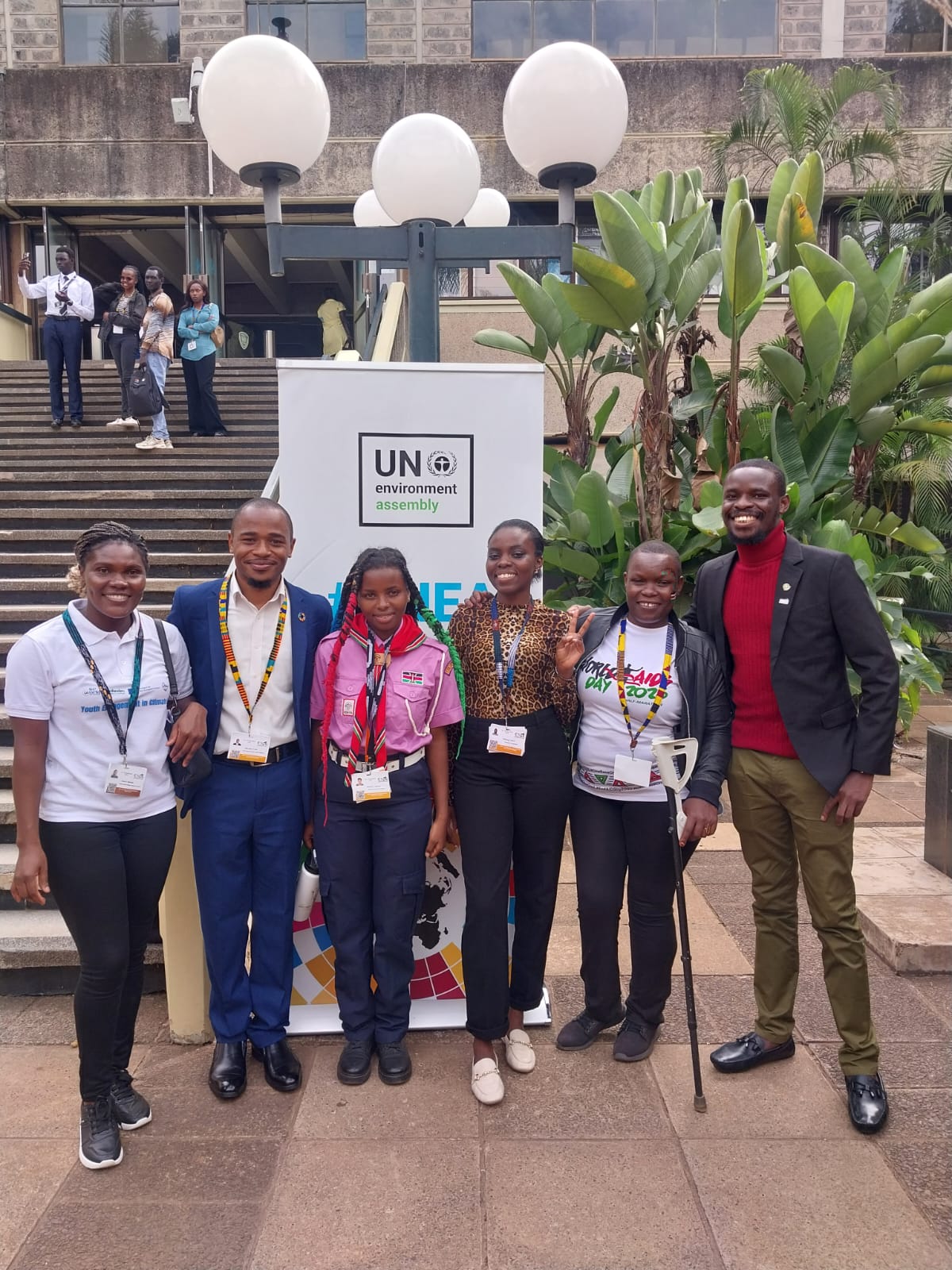
This year’s Global Youth Environment Assembly (YEA) 2025 brought together young climate leaders from across the world to the UN Environment Programme headquarters in Nairobi. Among them was a delegation whose presence was not only strategic, but symbolic of a shifting gener
This year’s Global Youth Environment Assembly (YEA) 2025 brought together young climate leaders from across the world to the UN Environment Programme headquarters in Nairobi.
Among them was a delegation whose presence was not only strategic, but symbolic of a shifting generation: the Kenya Youth Climate Advisory Council (KYCAC).
Across the halls, in plenary rooms, and during negotiations feeding into UNEA-7, the Council stood out — not as observers, but as young experts ready to shape global environmental governance with clarity, evidence, and courage.
Standing Firm: KYCAC’s Leadership at YEA 2025
Throughout the Assembly, KYCAC consistently pushed for the kind of youth participation that goes beyond being invited to speak.
Their message was clear: young people are not future leaders — they are leaders now.
In its submission to the draft UNEA-7 resolution on “Enhancing the Meaningful Participation of Children and Youth,” the Council argued for structural changes that would permanently secure youth power within governance systems.
KYCAC emphasized that:
-
Youth participation must be enshrined in law — not left to goodwill.
-
Youth advisory bodies require clear legal mandates within environmental decision-making processes.
-
Climate funds should reserve a fixed percentage for youth engagement and leadership, ensuring continuity and accountability.
-
Youth- and community-generated data must be recognized as credible evidence in environmental monitoring.
These weren’t just recommendations.
They were declarations of what young people need to participate meaningfully — not symbolically — in shaping environmental policy.
Championing a Missing Voice: Disability Inclusion
One of KYCAC’s most powerful interventions emerged during conversations around accessibility.
The Council highlighted the noticeable gaps in disability inclusion throughout the Assembly — gaps that reflect a deeper systemic issue across climate governance spaces.
KYCAC called for the Global Youth Environment Declaration 2025 to intentionally integrate disability considerations by:
-
Ensuring accessible participation (sign language, braille, mobility-friendly venues, digital access).
-
Collecting and using disability-disaggregated data.
-
Offering targeted funding for young people with disabilities leading climate solutions.
-
Officially recognizing young persons with disabilities as key actors in climate justice and resilience.
Their message resonated deeply across the Assembly:
Inclusion is not charity — it is governance.
What YEA 2025 Revealed About Youth Leadership
From the discussions, one truth was clear:
Young people are no longer asking for relevance. They are demonstrating it.
Key outcomes from the Assembly included:
-
Youth are contributing policy grounded in law, science, and lived experience.
-
Environmental governance must evolve beyond consultation to shared decision-making.
-
Intersectionality — especially disability inclusion — must shape all climate justice frameworks.
-
Global processes become stronger when national youth expert bodies like KYCAC are acknowledged and integrated.
Who KYCAC Is — and Why Their Voice Matters
The Kenya Youth Climate Advisory Council was established under the European Union in Kenya–funded #SikilizaSautiYetu Project, with a clear intention:
to create a permanent, national-level space where young people can influence climate governance through expertise, evidence, and structured engagement.
KYCAC represents:
-
Youth experts from diverse backgrounds
-
Young climate innovators and advocates
-
Youth living with disabilities
-
Grassroots and community voices
-
Youth-led organisations working on climate justice, governance, and resilience
The Council exists because young people in Kenya needed more than participation — they needed representation, authority, and continuity in spaces where environmental decisions are made.
A Call to Action Ahead of UNEA-7
As the world prepares for UNEA-7, KYCAC is calling on policymakers, partners, and UN agencies to:
-
Institutionalize youth roles within environmental governance.
-
Embed accessibility and inclusion in every youth-focused process.
-
Allocate sustainable, long-term financing for youth-led initiatives.
-
Recognize youth-generated data as central to environmental monitoring.
Kenya’s young people are ready — not as representatives at the edges, but as equal partners shaping the future of global environmental governance.
Written by Vallary Ochieng – Organizing Secretary, Kenya Youth Climate Advisory Council; Member, Organization of Africa Youth Kenya
Tags